GUILLAUME DÉNERVAUD

Demeter

April 24 – May 30, 2026

Guillaume grew up in pastoral Romont, approximately an hour and a half by train from Geneva. He recalls the arrival of a modernist Nespresso production center in 2015, and its rapid structural consequences. Industry–with the coercive odor of coffee–spreads out like airborne disease.
 
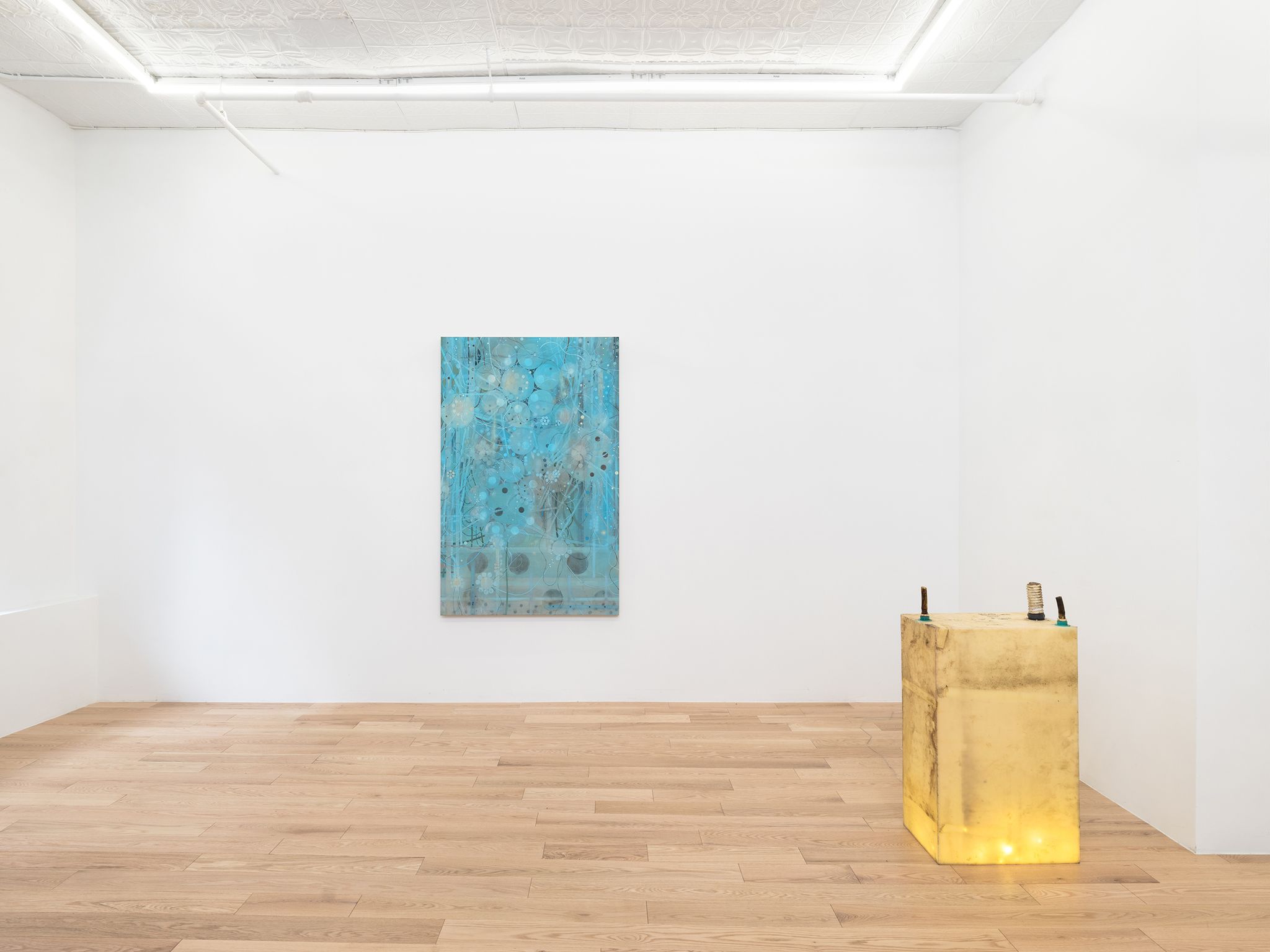
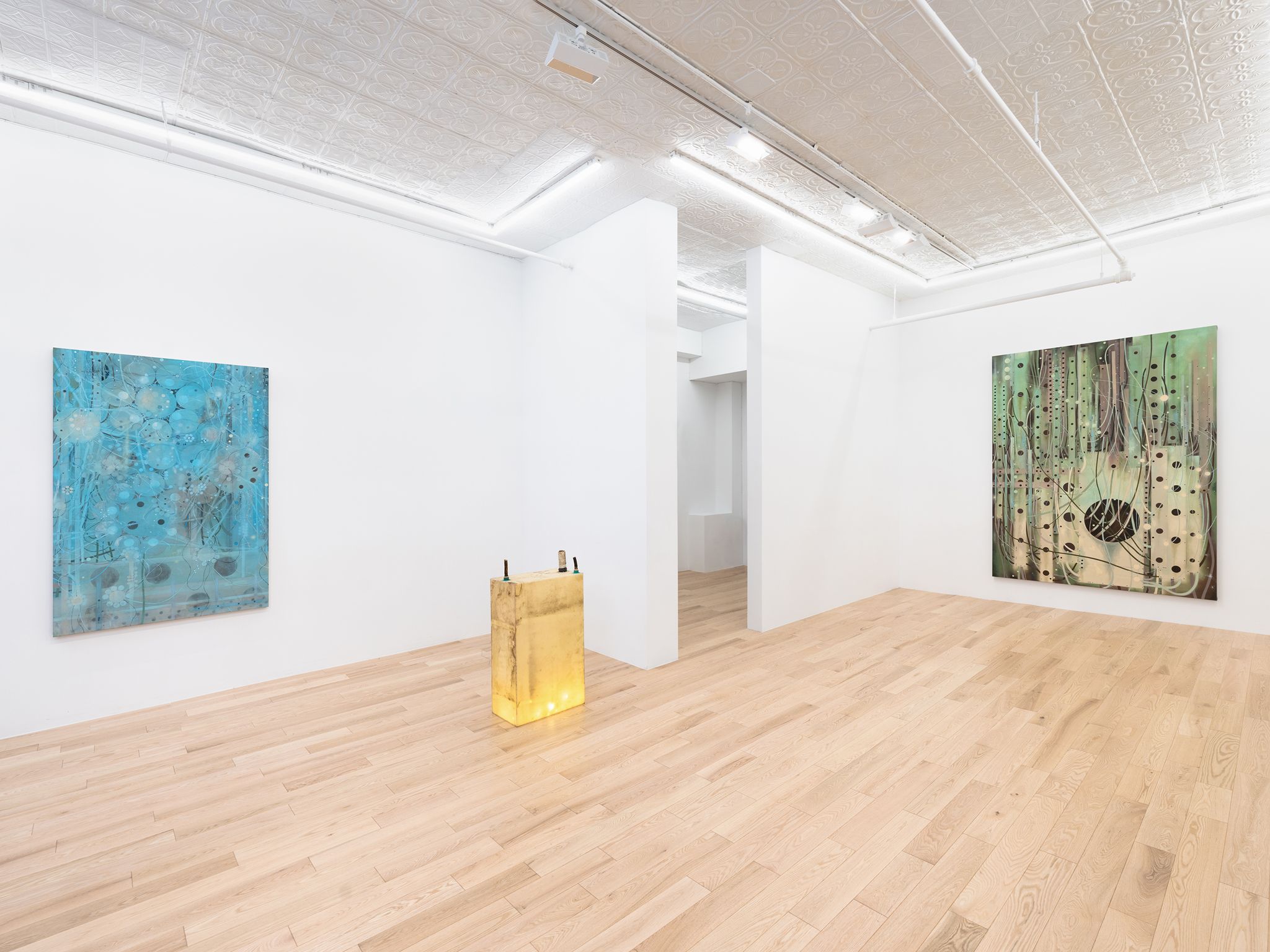
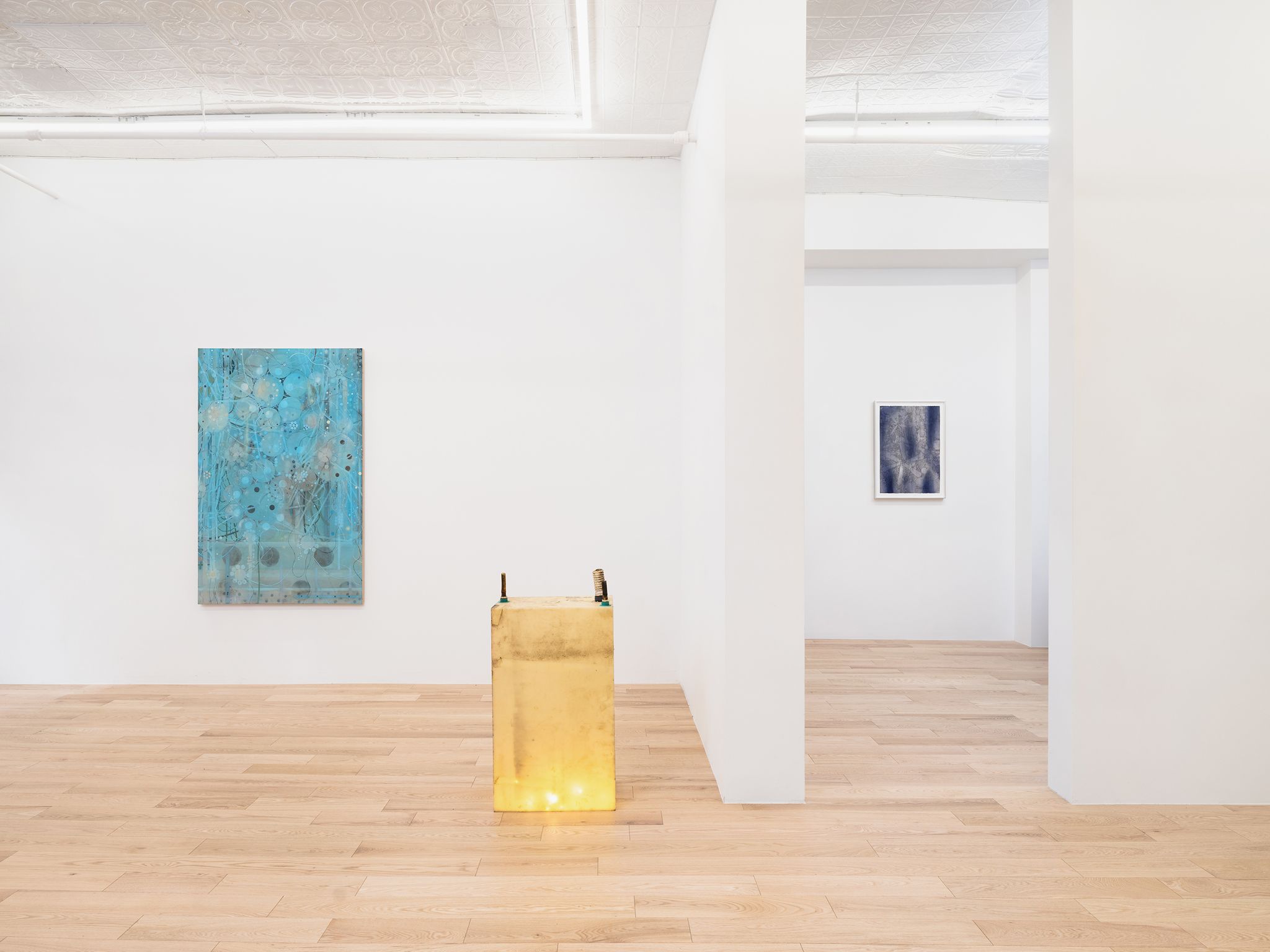
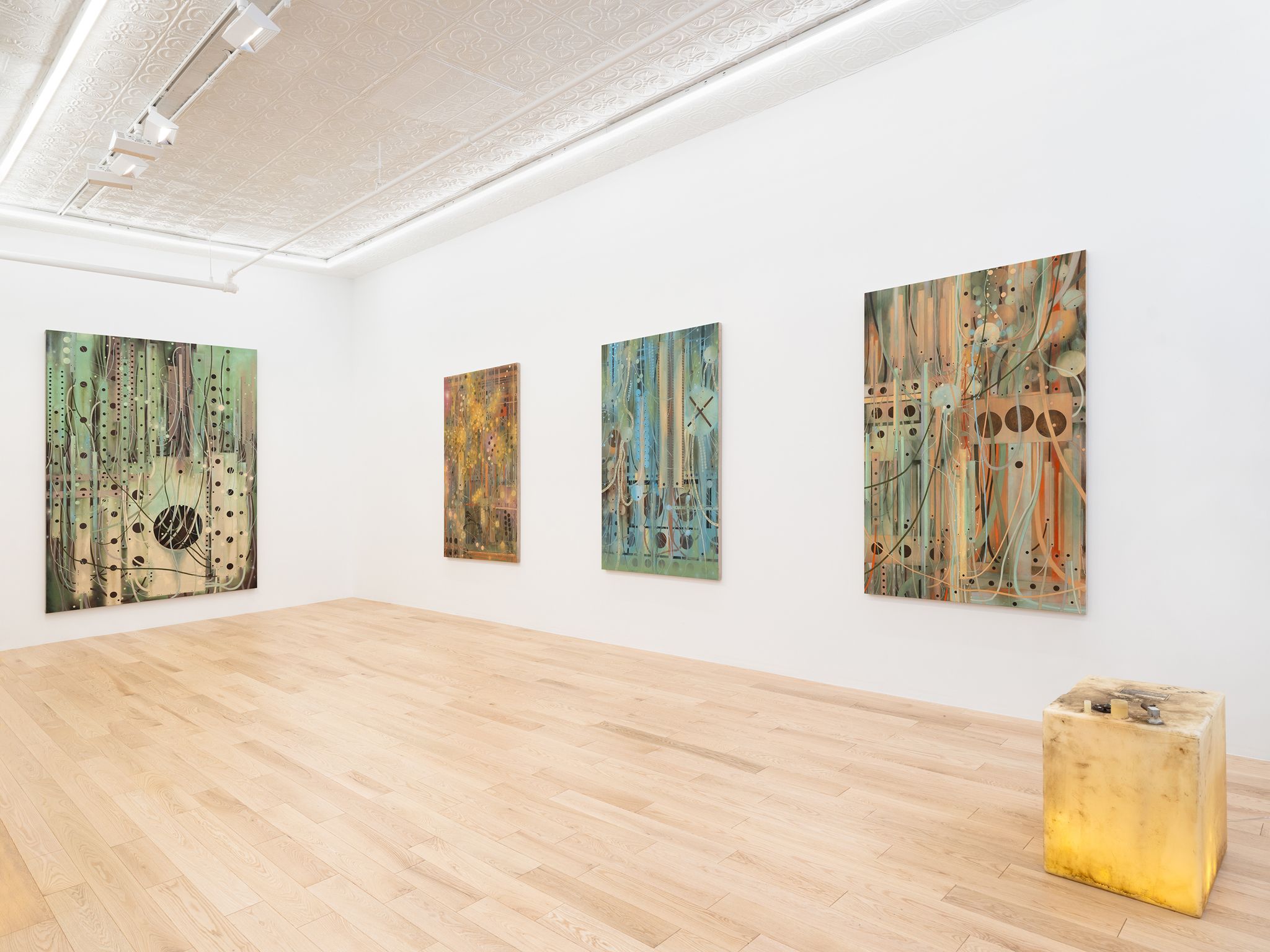
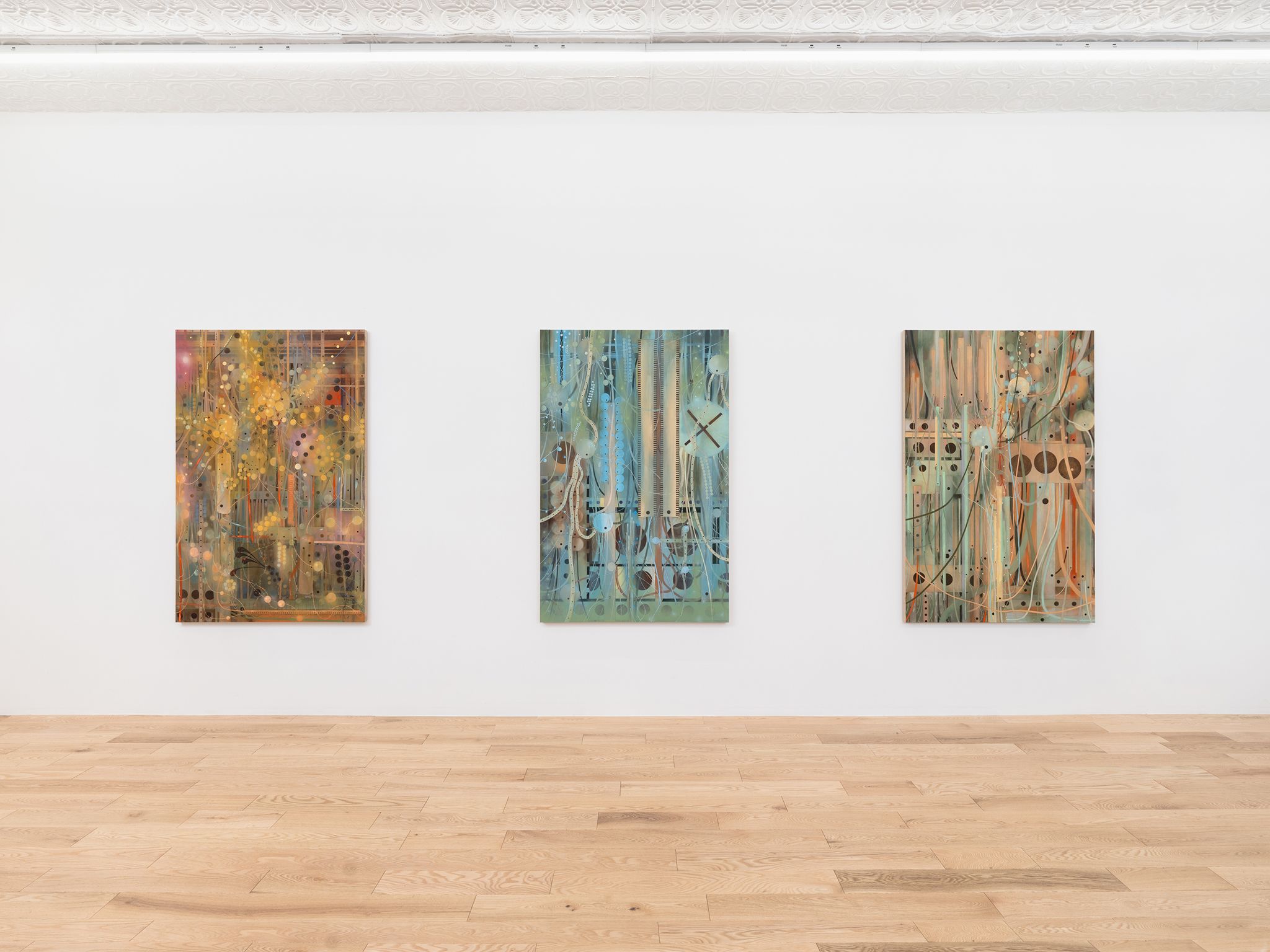
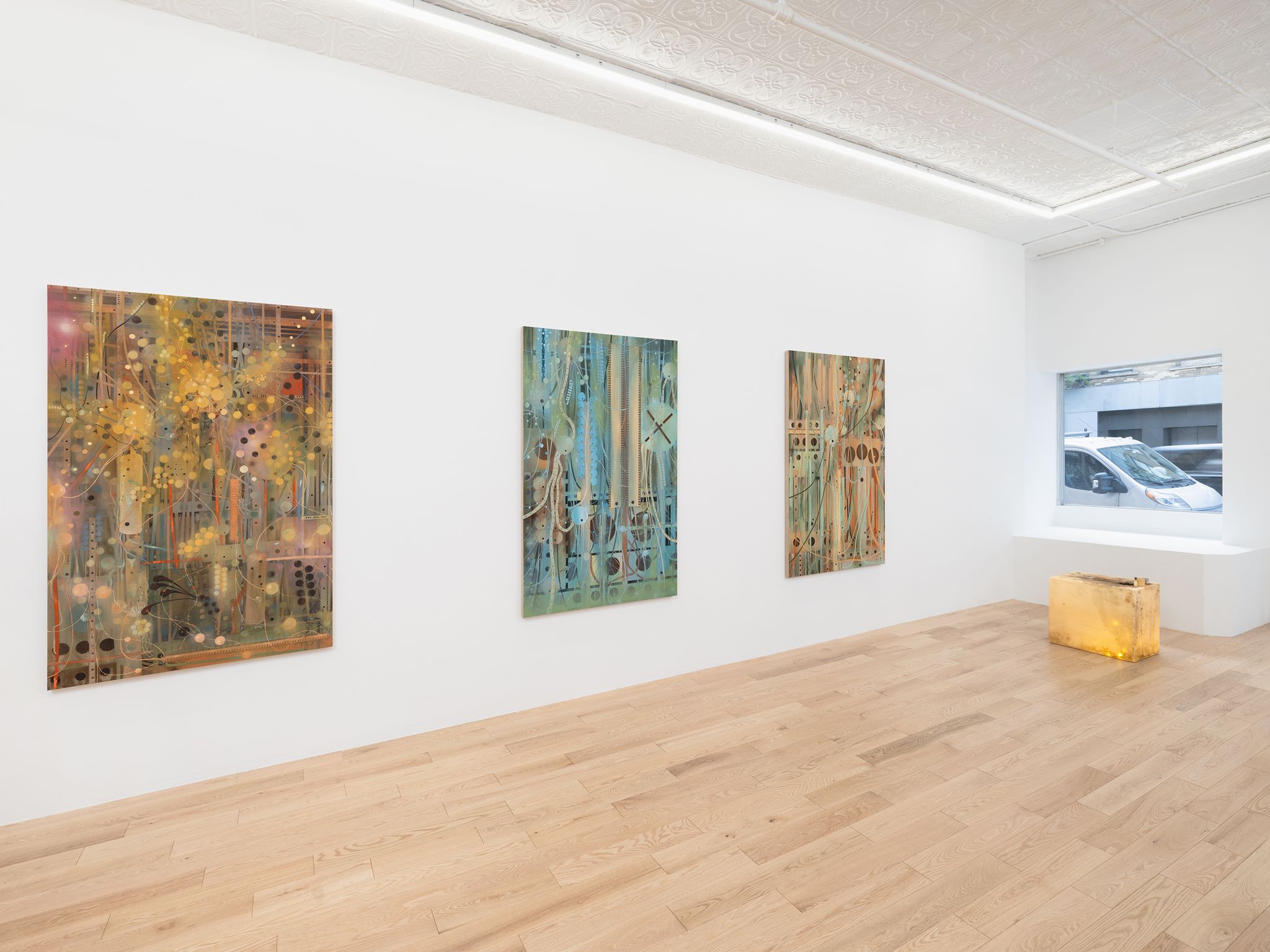
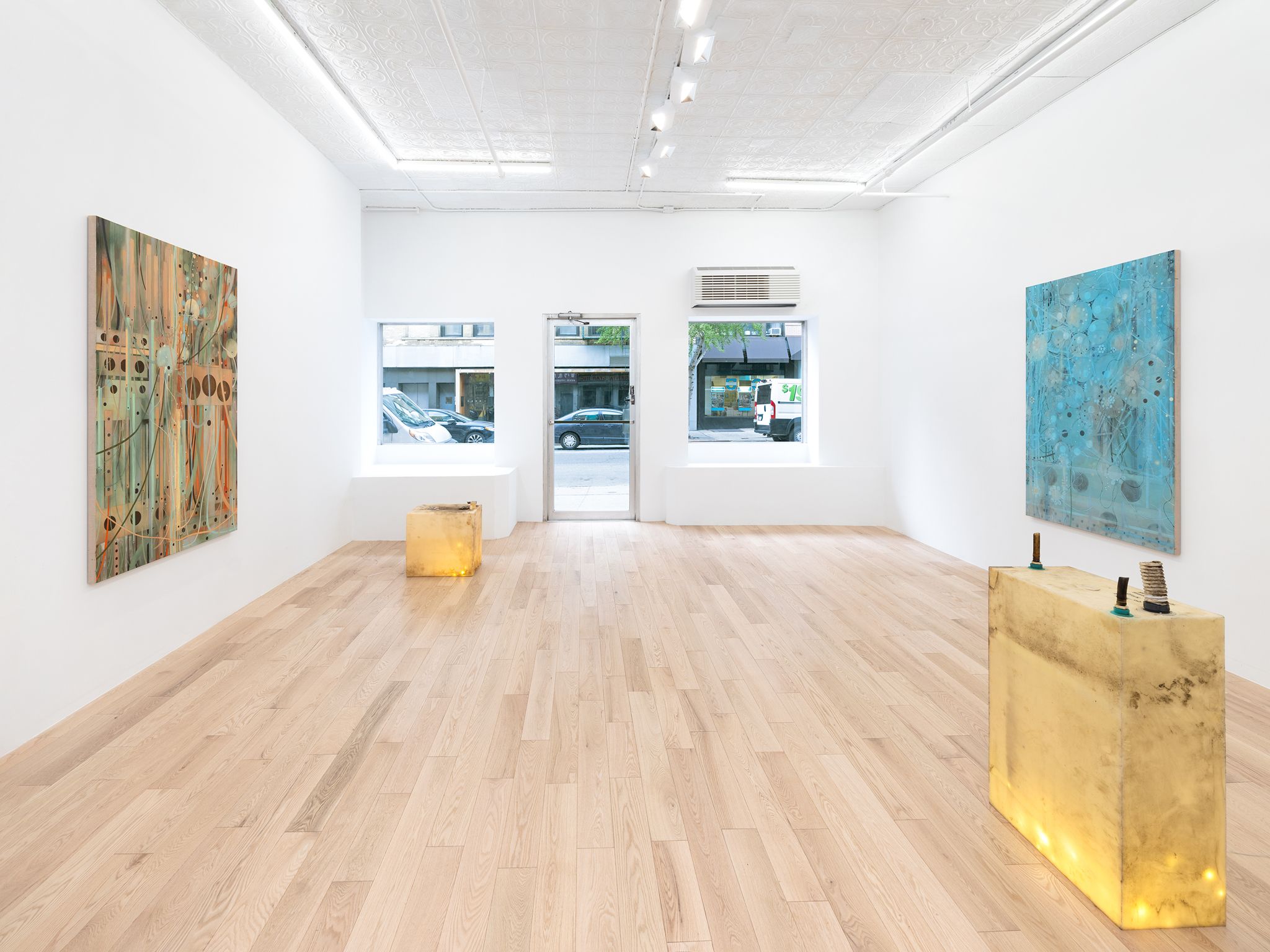
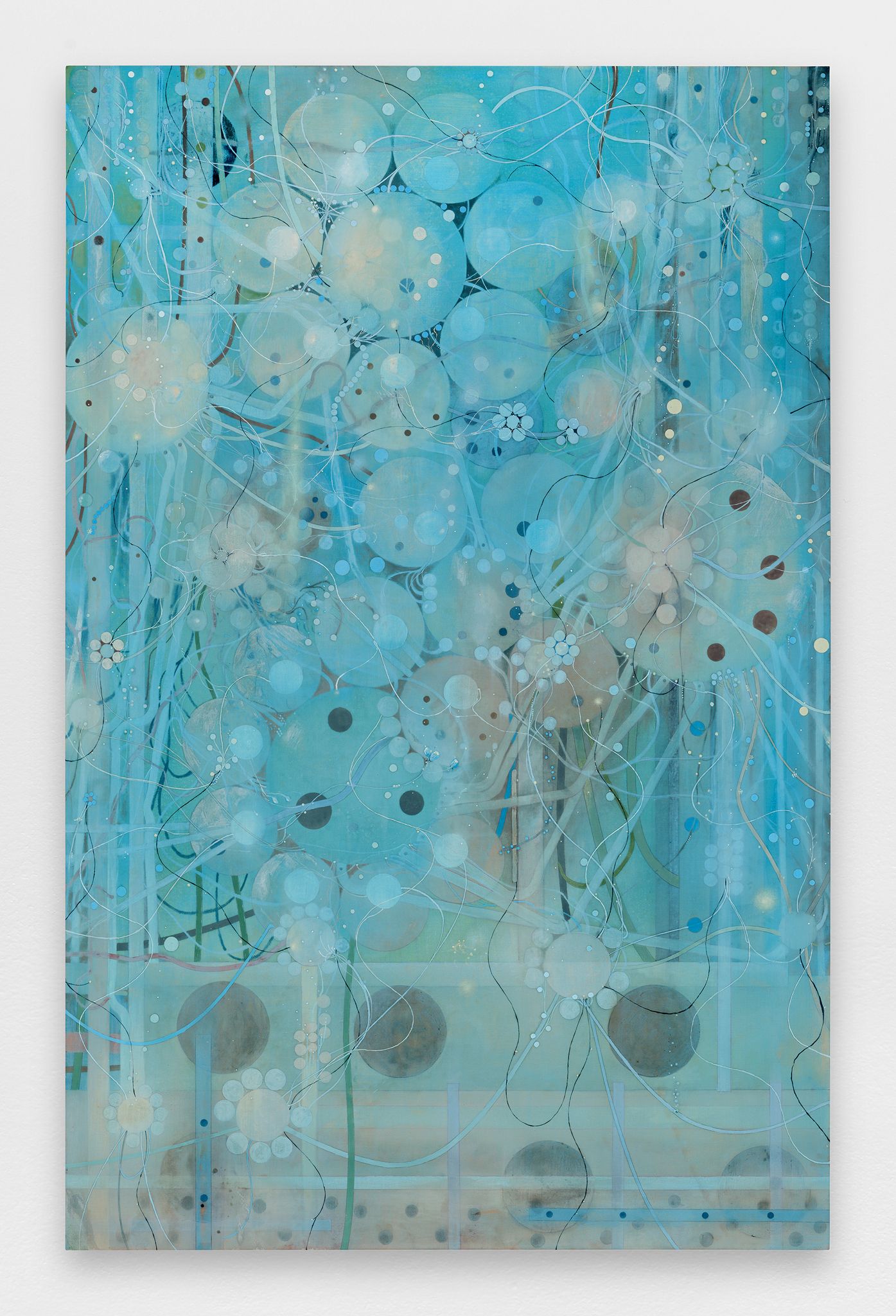
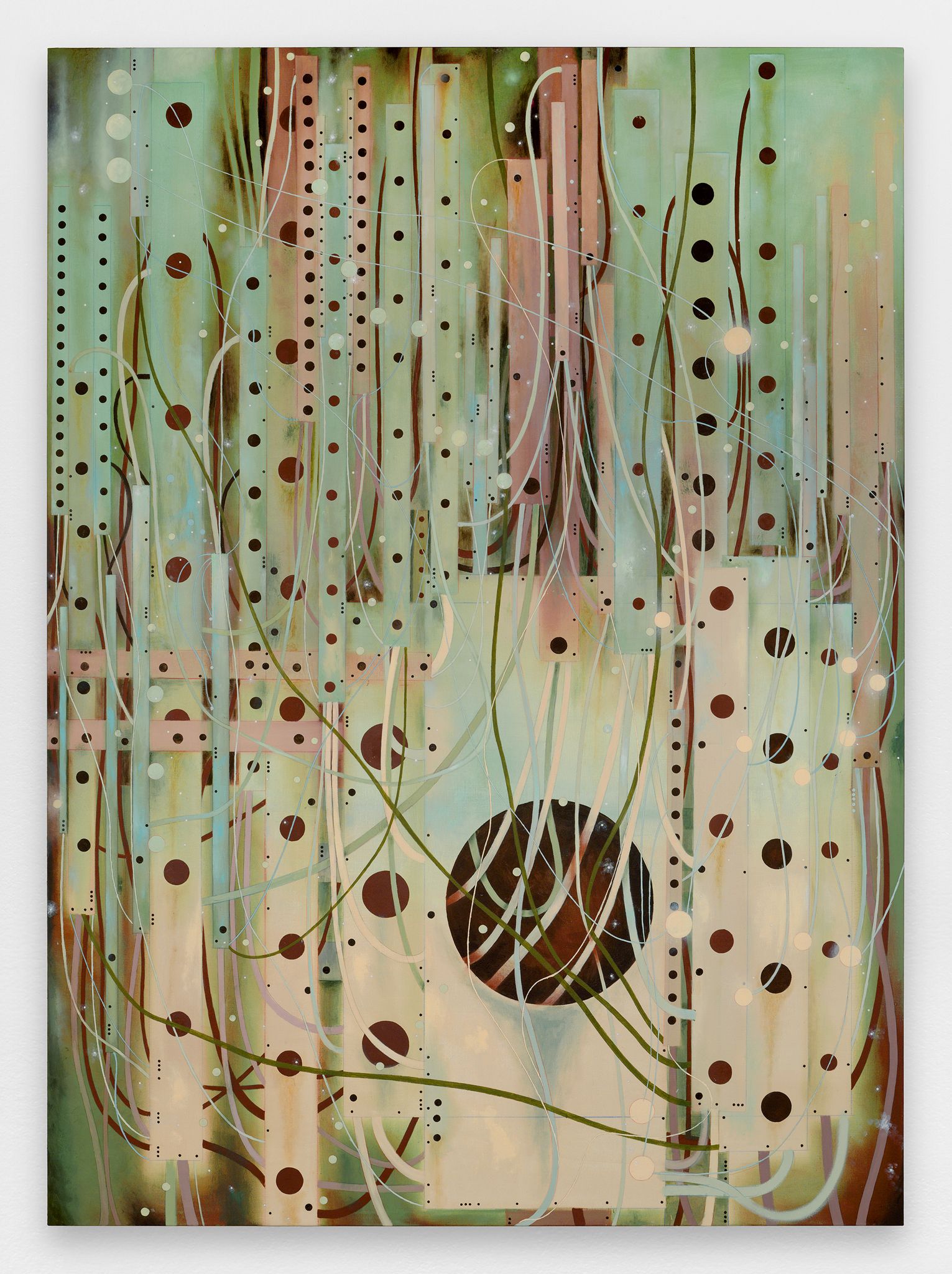
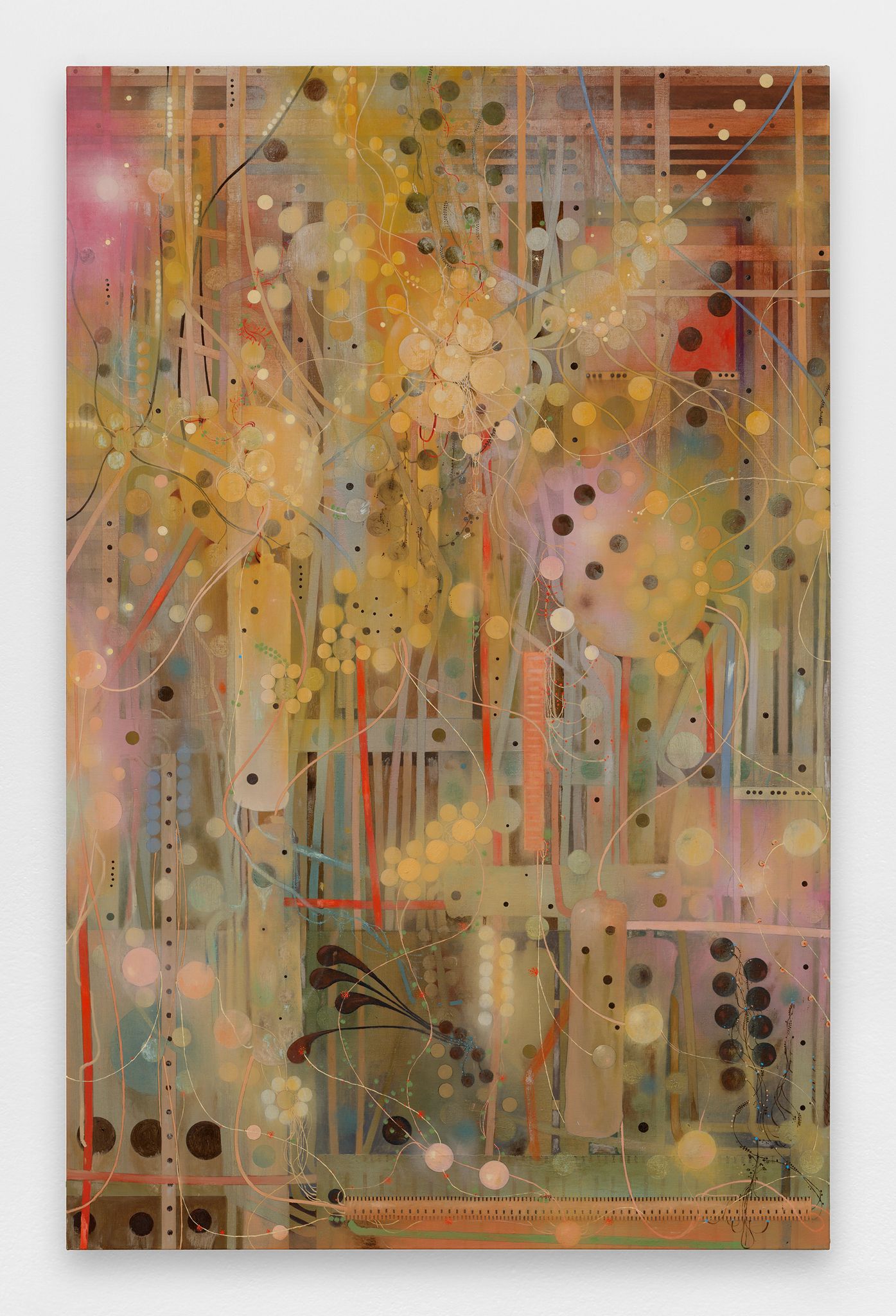
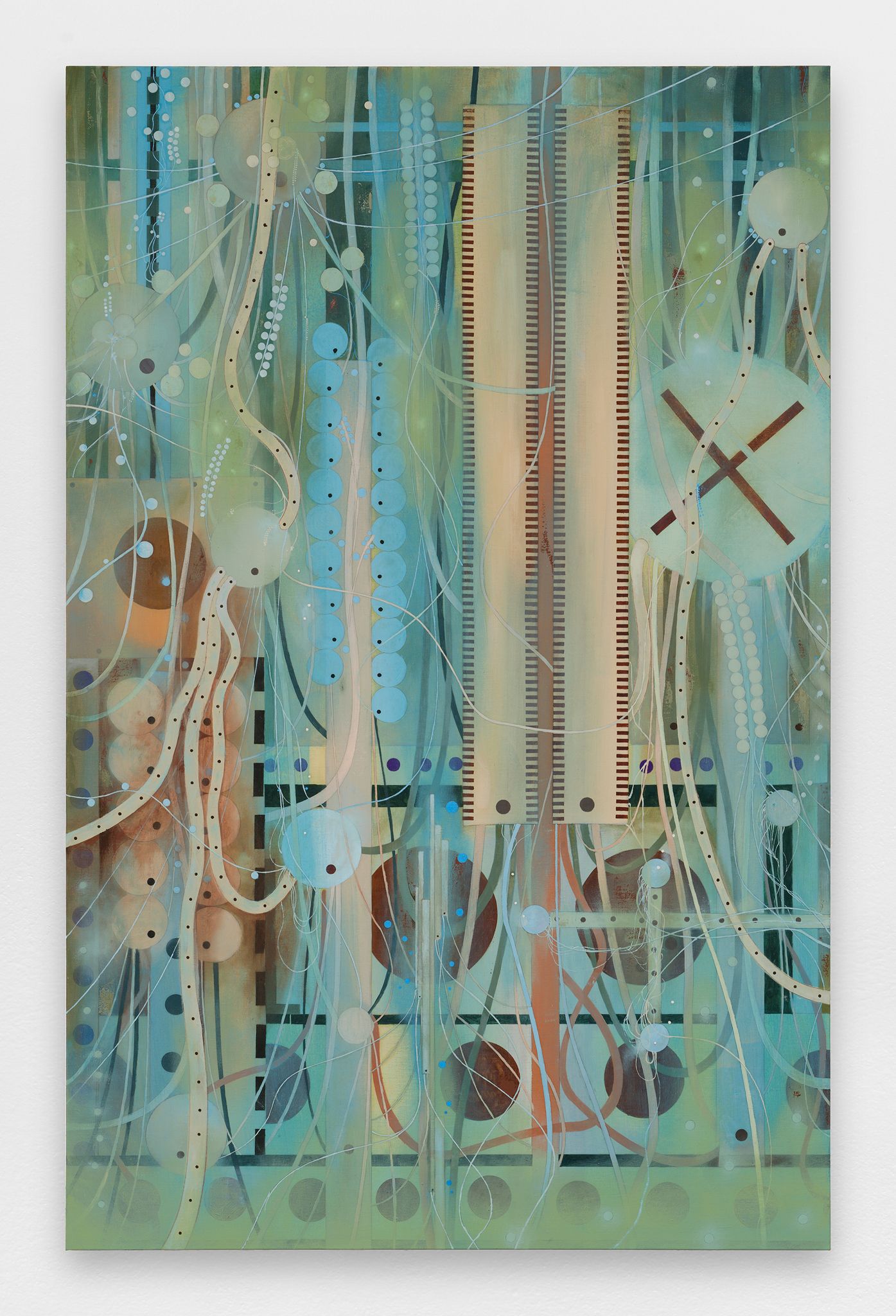
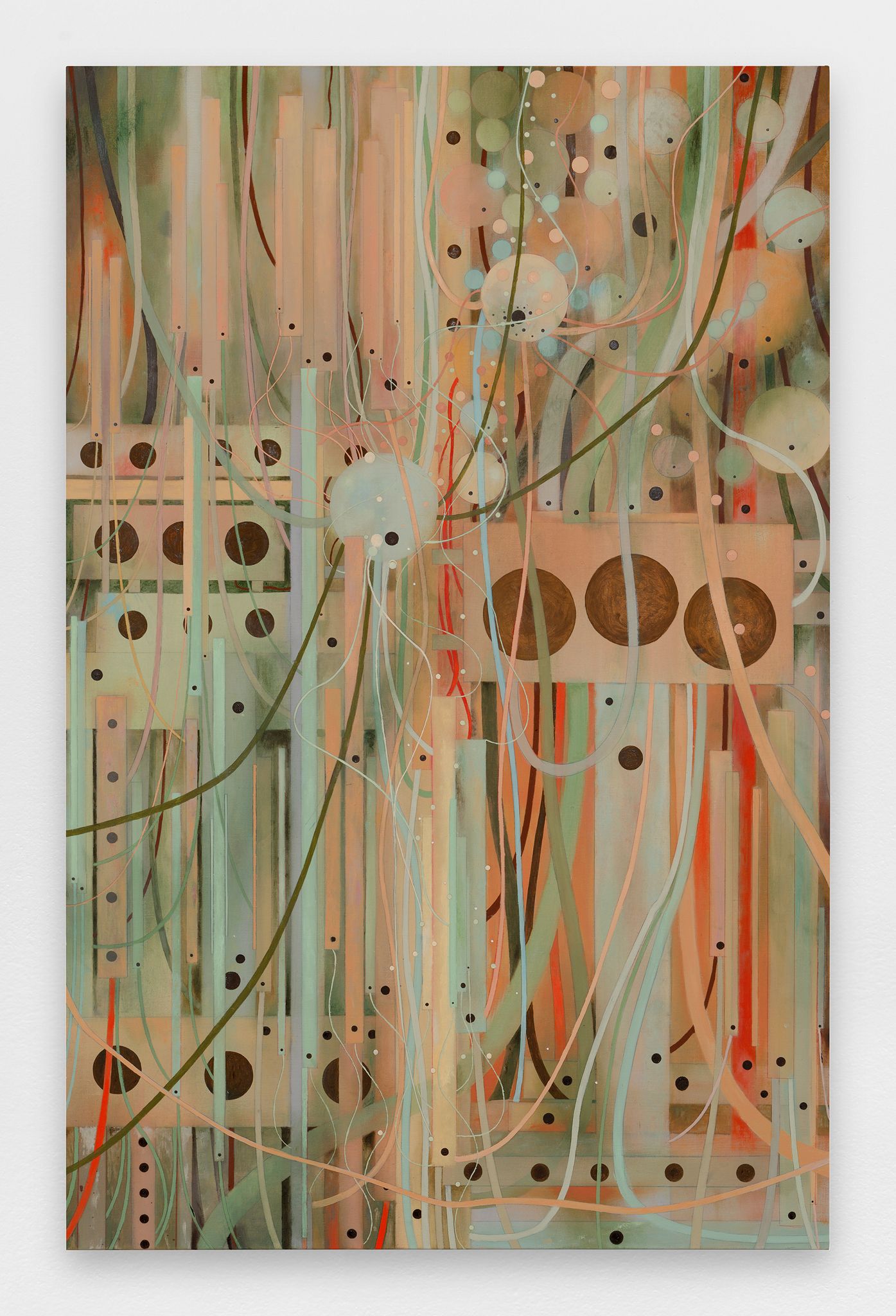
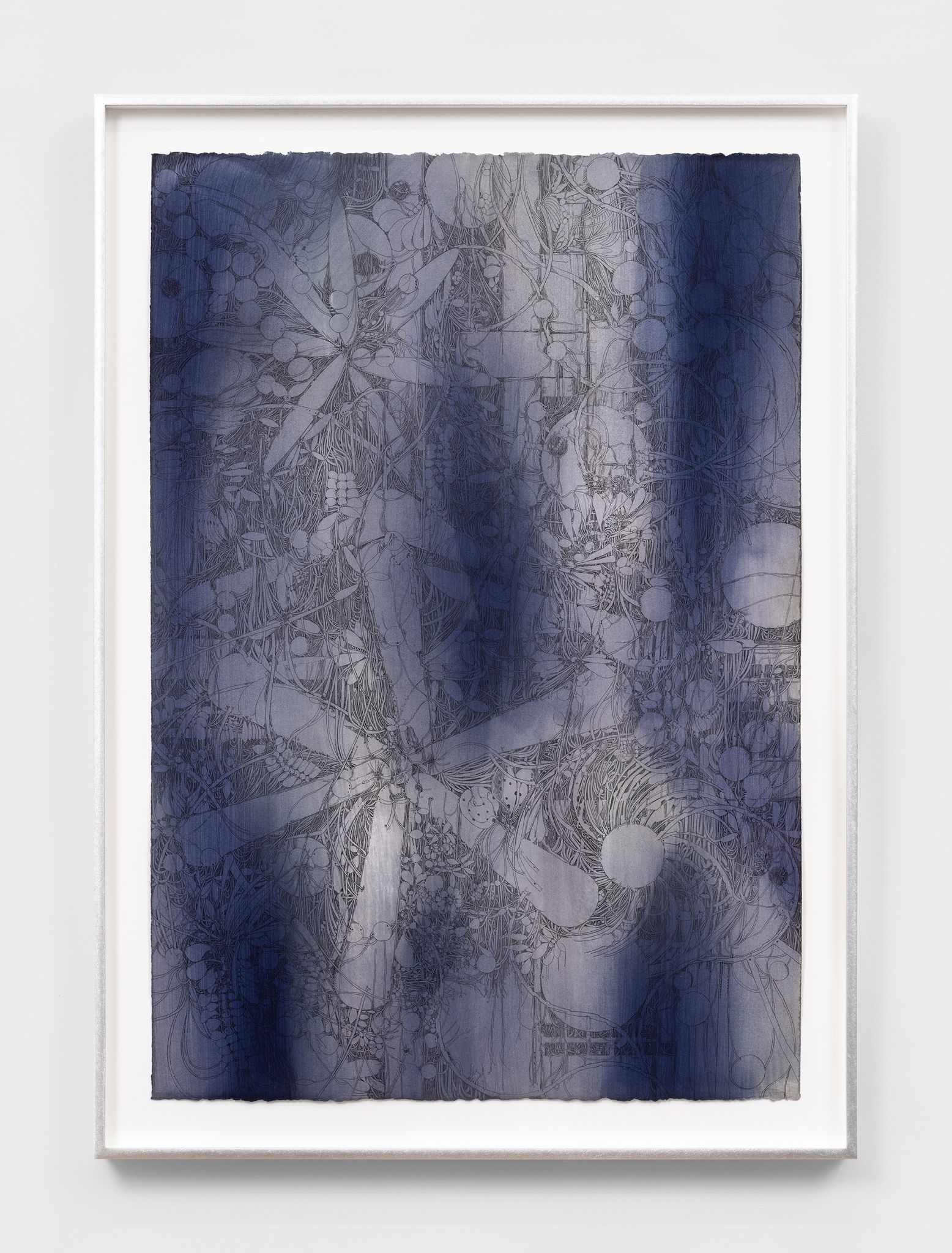
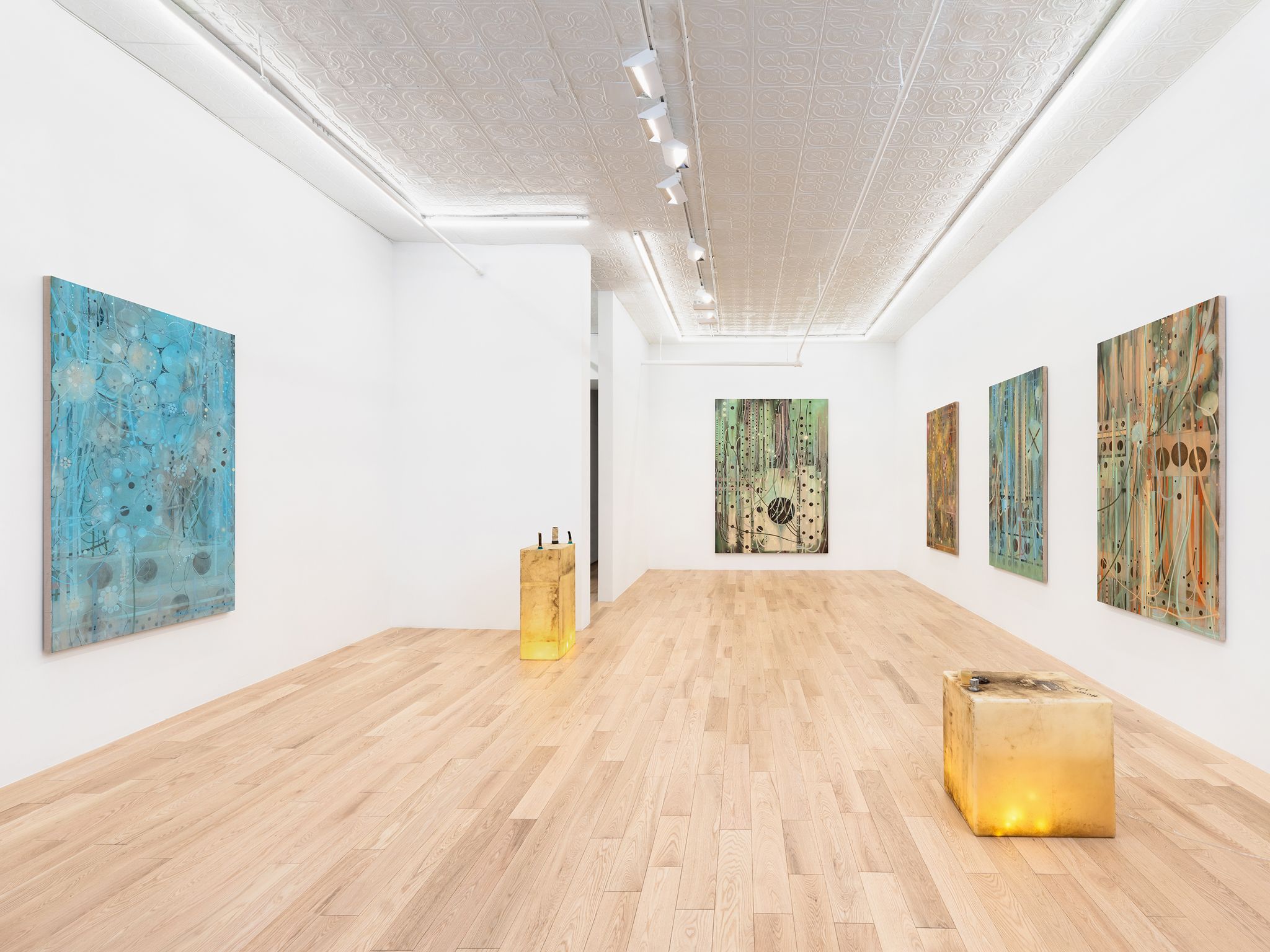
Dénervaud conceived of Demeter as a fragmented system operating beyond its intended limits. The exhibition title alludes to the eponymous Greek goddess of earthly abundance, who once halted the growth of all living things. Life has a fundamental need for light, and for Guillaume, light is characterized by its capacity to leak. In pictorial terms, the artist constructs leakage through a coactive dynamic between graphite and pigment. His unwavering pencil line, which borrows in the language of architectural rendering, establishes a container for his brushstrokes to transgress. In some cases, oil paint diffuses the penciled boundary, emanating at the edge. Even when a container is sealed it radiates from within.

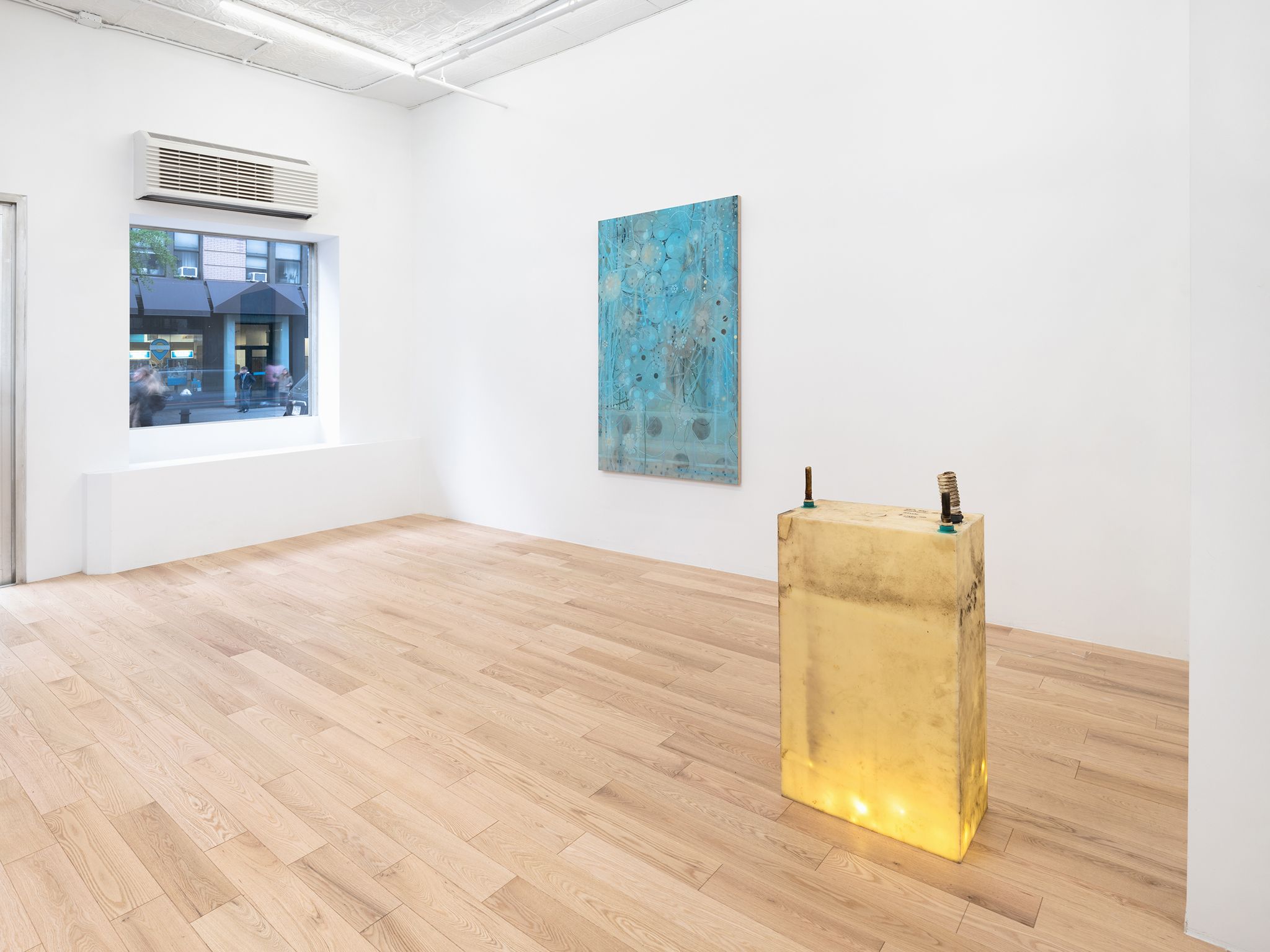
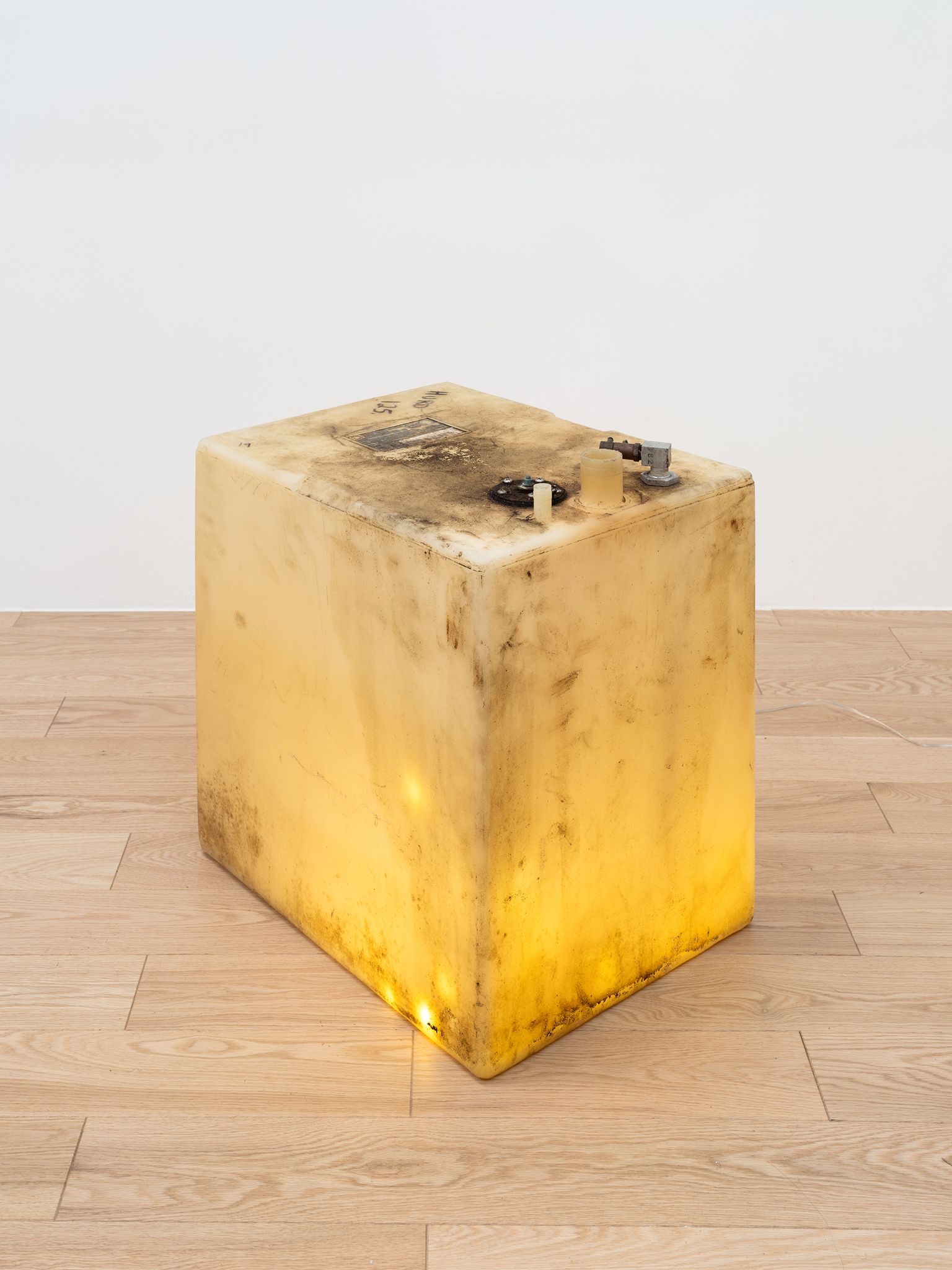
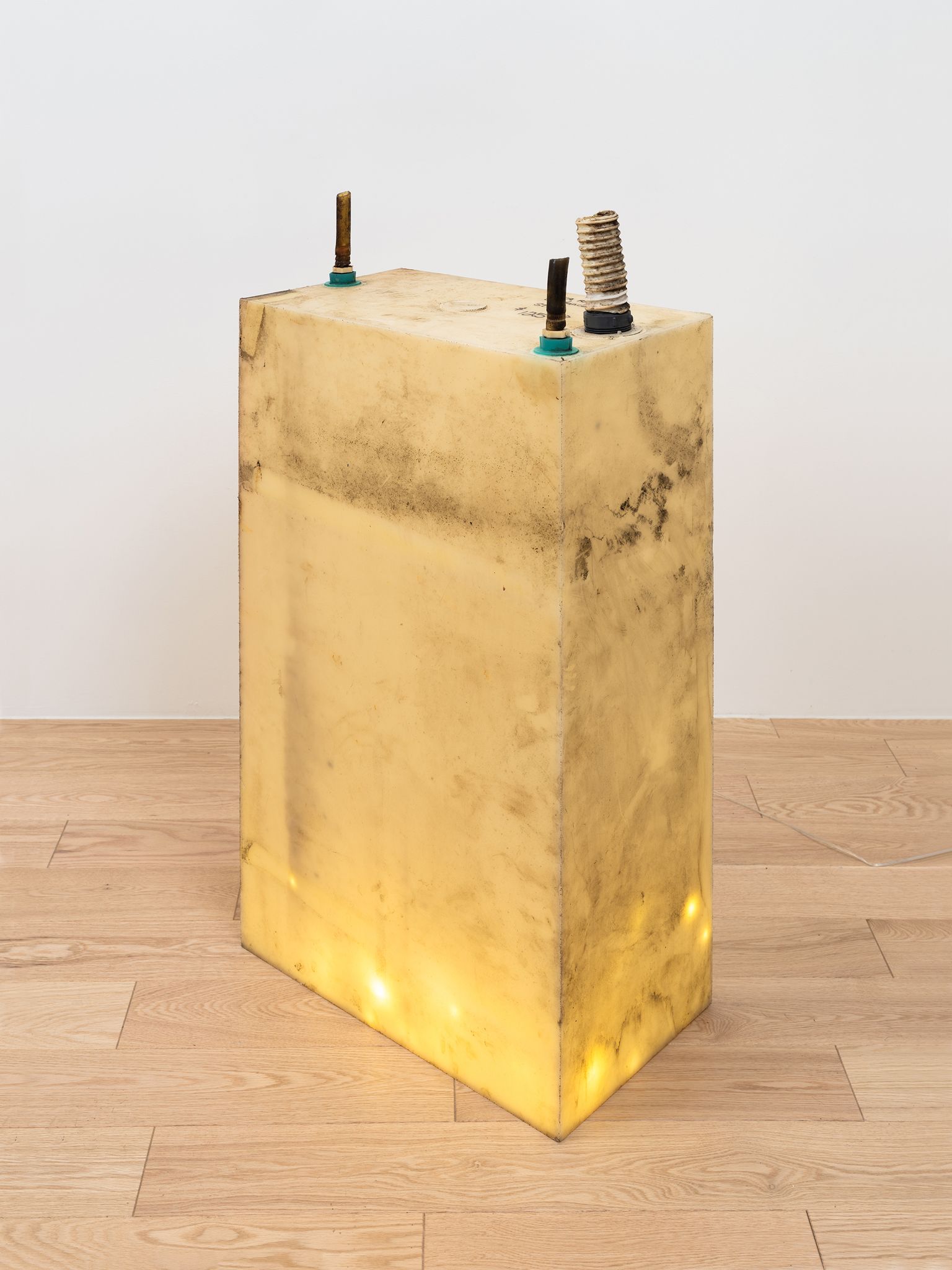
In non-symbolic terms, light is necessarily tethered to energy. Readymade marine fuel tanks on the gallery floor expose an absence; polyethylene shells meant to carry oil themselves become emitters, projecting dim light into the space and off-gassing residual vapor. The emptied tanks, units of potential energy, become monuments of spent energy. This gesture short-circuits their intended function, collapsing the distinction between real light, illusory light, and latent energy: a reversal of the literal and metaphorical.

It might be more accurate to classify Dénervaud’s works as batteries, being objects which draw from the transfer of energy. It is the same energy required to mine Malachite, process and distribute it, before it is made into pigment in Dénervaud’s studio. Malachite is itself a copper-based semiconductor, producing a bucolic glow. Guillaume is a connoisseur of pigment, and each material accompanies its own biography: Vermillon, containing arsenic, is lethal; Cobalt is an essential mineral in high-performance lithium-ion batteries; Ivory Black gets its resolute tone from charred bone; use of Lapis Lazuli dates back to the 4th Dynasty of Egypt; and Jet Whitby derives from fossilized trees floating in the ocean.

Guillaume has lived in Paris since 2017, and speaks of the dynamic between industrialization at the turn of the century and the iridescent paints employed by the impressionists. Duchamp claimed that painting perished at this very moment, when painters began to purchase tubed pigments instead of mixing them. Here again a formal cue mirrors a symbolic one, as Dénervaud’s pigments refract both the industrial and ecological worlds in which they circulate.

This all-at-once quality intrinsic to Guillaume’s work mirrors the process of global capitalism, which overloads the senses and turns matter abstract. It’s why these images can operate as equals on micro- and macro-scales: they can depict an entire world as effectively as a molecule using a single motif. Dénervaud’s images posit accelerationism as transcendence–all stratifications of experience lull and assault you at once. His world is unfixed: either saccharine or toxic, sinister or righteous, menacing or enchanting.